
How to Keep Your Concrete Dumper Clean: Top Tips for Tradies
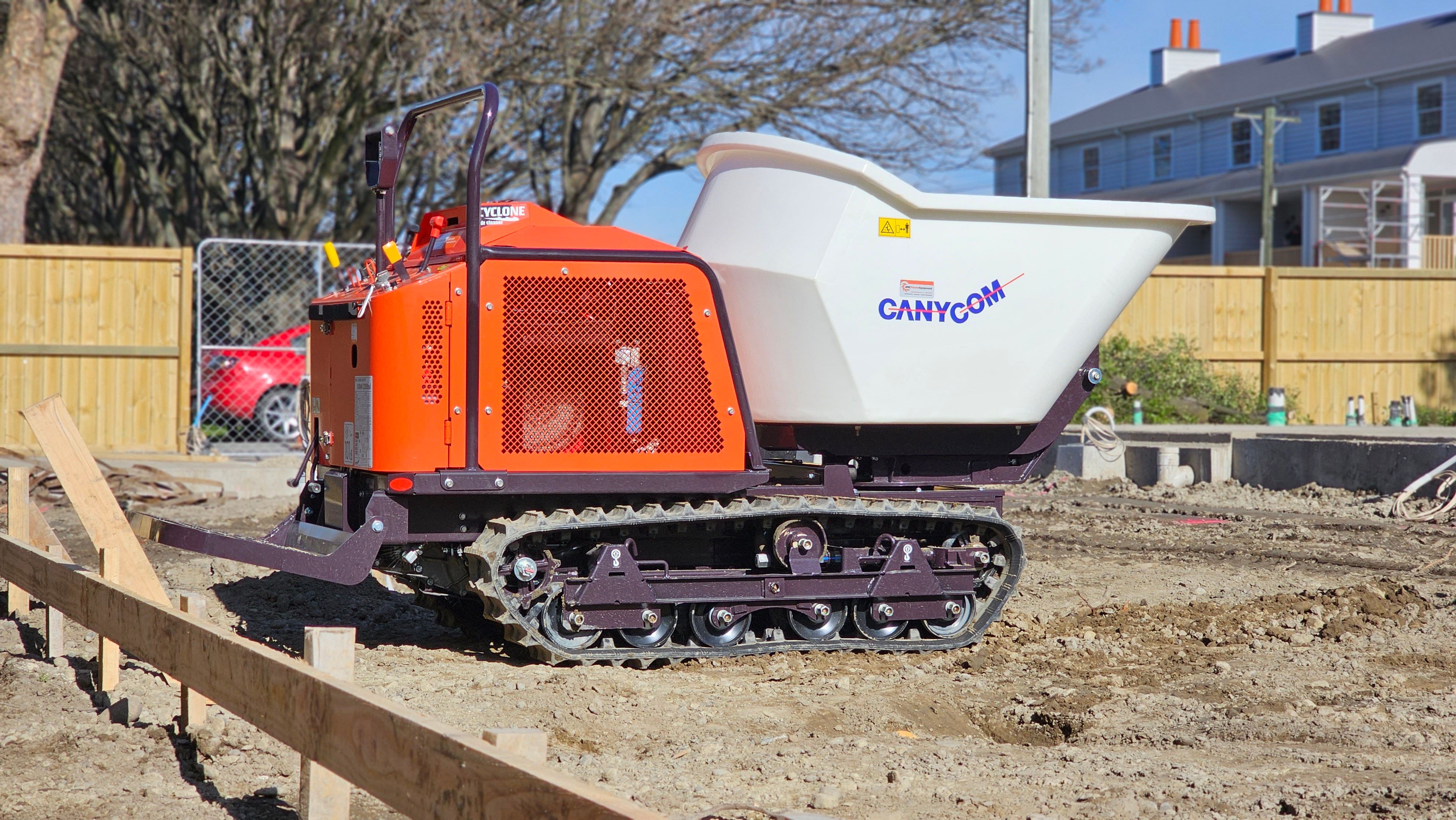

Concrete dumpers work hard on civil construction sites across New Zealand. Keeping them clean is a matter of machinery survival. Dried concrete adds unnecessary weight to the machine. This extra weight burns more fuel over time. It also reduces your daily payload capacity. Hardened concrete can seize vital pivot points. It damages hydraulic rams and breaks seals. A dirty machine looks unprofessional to your clients. Clean machines run better and last longer. At OMC Power Equipment, we see the clear difference maintenance makes. Well kept dumpers need fewer repairs. They spend more time on the site and less time in the workshop. This guide provides practical steps to maintain your concrete dumper. Follow these tips to protect your investment. A clean dumper is a profitable dumper. Your team will appreciate working with well maintained equipment.
Understand the Nature of Wet Concrete
Concrete is a chemical compound. It is not just mud and water. Cement reacts with water to form a solid mass. This process is called hydration. Hydration begins the moment water mixes with cement powder. The mix becomes sticky very quickly. This stickiness helps it bond to reinforcing steel. Unfortunately, it also helps it bond to your dumper bin. You are fighting a ticking clock when you transport concrete. The weather affects this curing time significantly. Hot New Zealand summer days speed up the hydration process. Wind also dries the surface of the concrete rapidly. You must understand this timeline to clean effectively. You cannot treat wet concrete like standard dirt. It requires immediate action and specific cleaning methods. Delaying the cleaning process creates a massive problem for your crew.
Start with the Right Bin Material
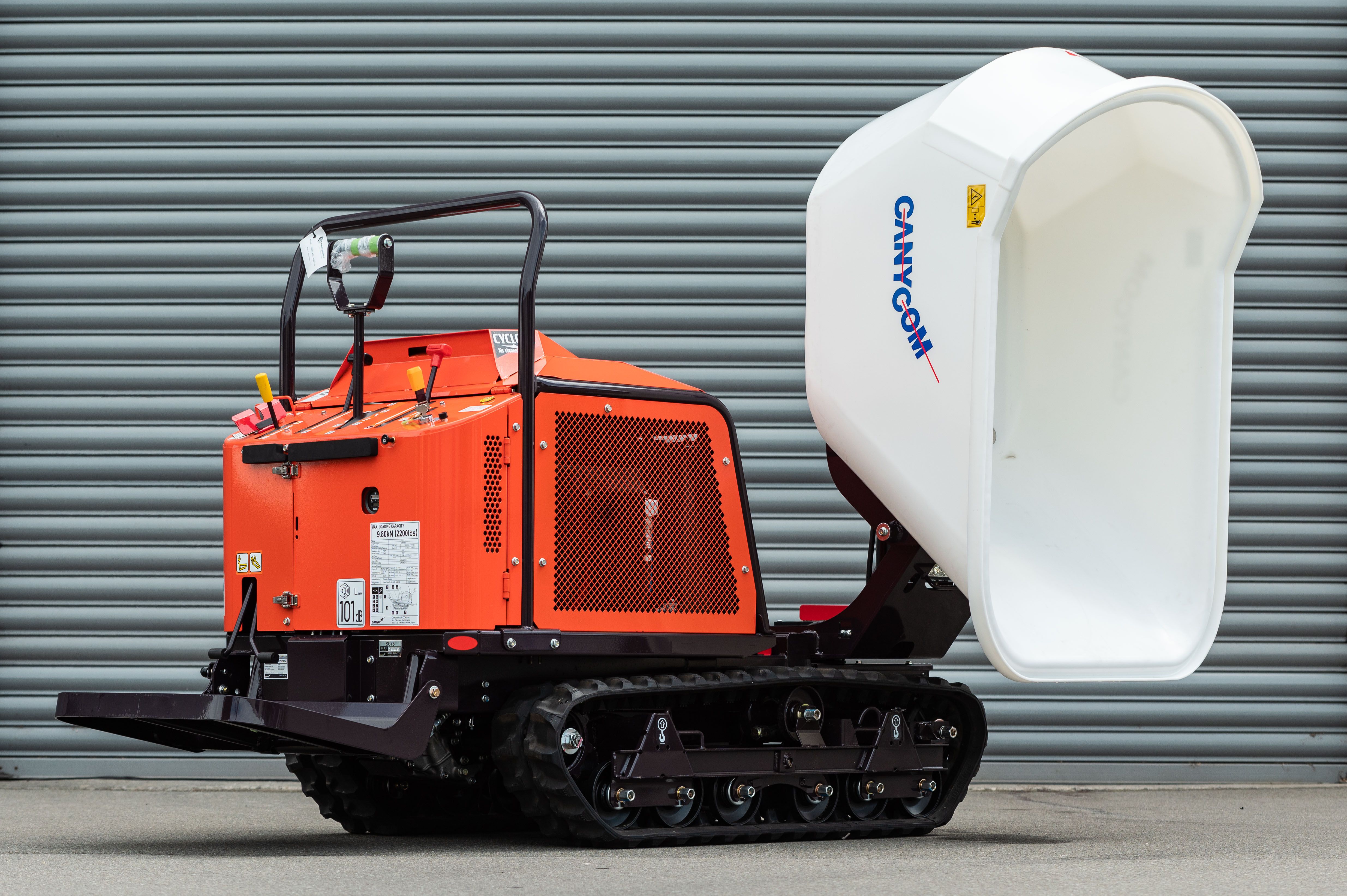

Prevention remains the best cleaning method. The material of your dumper bin matters immensely. Traditional steel bins are incredibly strong. However, wet concrete clings tightly to steel surfaces. You need to look at modern alternatives if you transport concrete daily. We stock tracked dumpers with specific polycarbonate bins. Polycarbonate is a tough plastic. Wet concrete does not stick to it easily. The Canycom SC75 Rubber Tracked Concrete Dumper features an optional poly bin. The Cormidi C85RIX-POLY also uses this specialised material. These machines reduce cleaning time drastically. You literally have less mess to manage at the end of the day. The concrete slides out smoothly during dumping. Upgrading to a poly bin is a very smart business decision for concrete workers. It saves hours of manual labour every week.
Apply a Concrete Release Agent Before Work
Preparation saves you hours of scraping later. Always apply a quality concrete release agent before loading the bin. Release agents create a temporary chemical barrier. They stop the cement paste from bonding directly with the bin surface. You can find both oil based and water based options on the market. Oil based agents work very well on traditional steel bins. Water based agents are safer for the environment and the operator. Spray a light and even coat over the entire interior of the bin. Do not let the agent pool in the corners. Puddles of release agent can weaken your actual concrete mix. Reapply the agent after every few loads for the best results. Keep a spray bottle of release agent in the work truck at all times.
The Immediate Washdown Rule
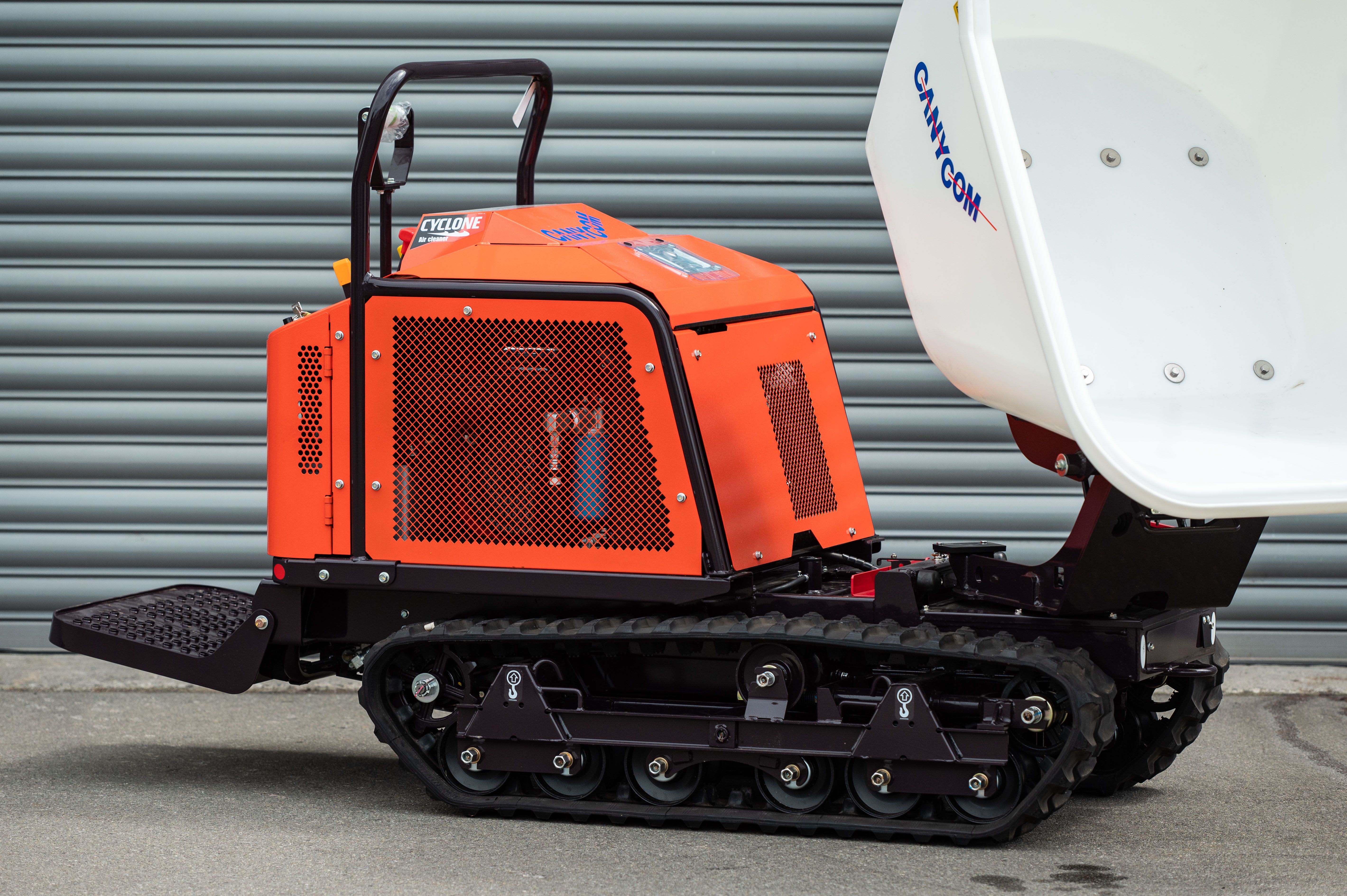

Timing is everything with wet concrete. You must wash the bin while the mix is still wet. Do not wait until the end of the day. Concrete begins to cure quickly on the surface. Keep a water hose or a portable water tank on the site. Rinse the bin out immediately after your final pour for that section. Point the dumper down a safe drainage area away from drains. Wash the slurry out completely. A quick rinse takes just two minutes. Chipping dried concrete takes hours of hard labour. Make the immediate washdown a strict rule for your entire crew. Do not accept excuses for leaving wet concrete in the bin. A quick hose down stops the build up before it even starts.
Proper Pressure Washing Techniques
A garden hose works fine for wet slurry. You need a pressure washer for stubborn residue and grit. A pressure washer blasts away sand and cement effectively. However, you must use it correctly to avoid damage. High pressure can strip paint from your dumper. Exposed metal leads directly to rust. Rust degrades the bin quickly and ruins the machine. Keep the pressure washer nozzle moving constantly. Maintain a safe distance of about thirty centimetres from the painted surface. Pay close attention to the inside corners of the bin. Concrete loves to hide in the welded seams. Wash the exterior of the bin as well to minimise build up. Splashes can harden on the outside and look very messy.
Safe Removal of Hardened Concrete
Sometimes concrete dries before you can wash it. It happens frequently on busy work sites. Do not grab a sledgehammer. Hitting the bin with heavy tools causes permanent dents. Dents create new spots for future concrete to grip. Instead, use a dedicated concrete dissolving chemical. These products safely break down the bonds in the cement. Spray the remover onto the dried concrete. Let it sit for the recommended time on the label. The concrete will turn into a soft mush. You can then wash it away safely with a hose. If you must use a hand tool, use a blunt scraper. Work gently to protect the underlying paint and metal. Never use sharp chisels on polycarbonate bins.
Cleaning the Undercarriage and Tracks
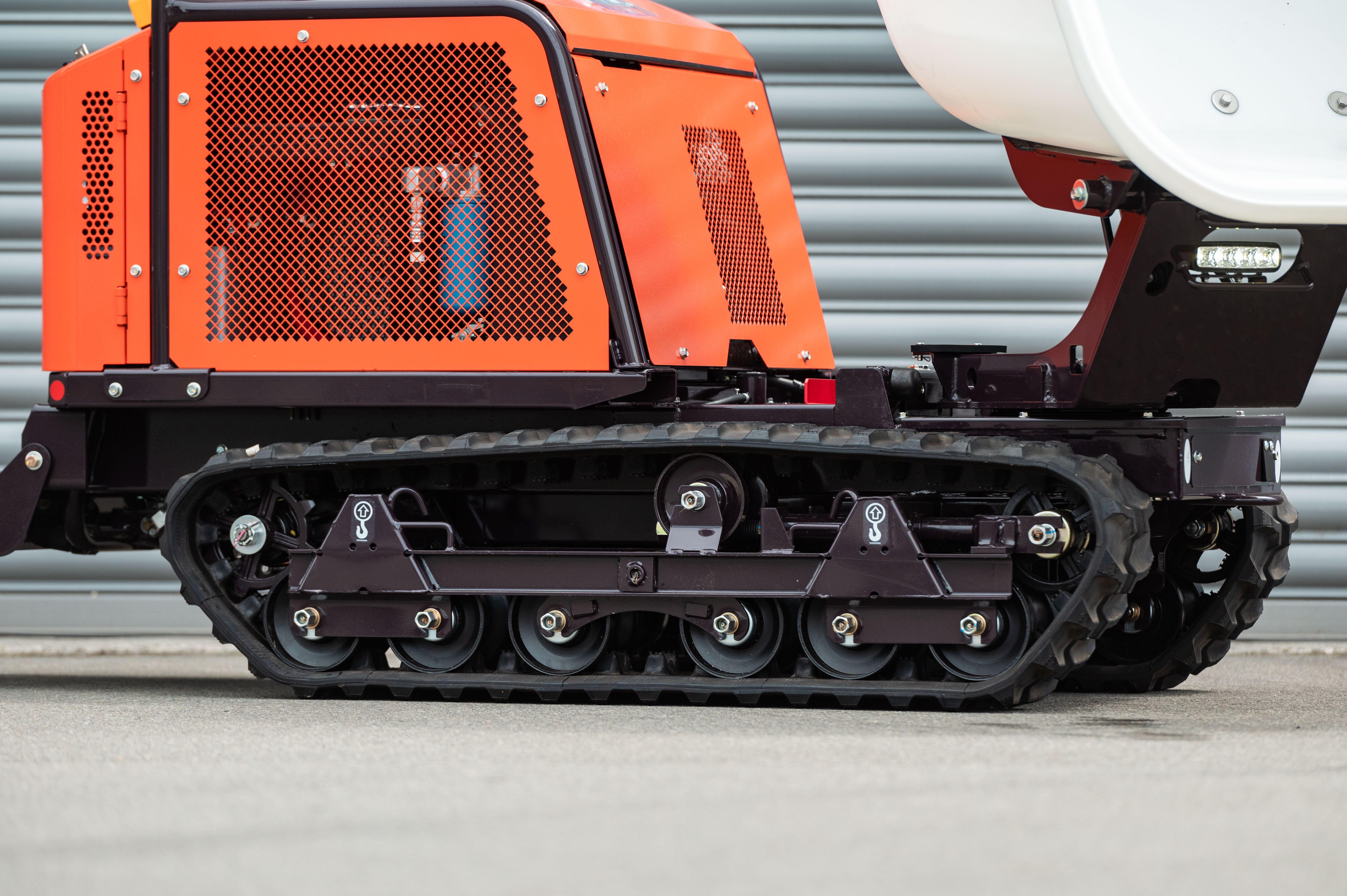

Dumpers operate in mud, dirt, and spilt concrete constantly. The undercarriage collects a massive amount of debris daily. Tracked dumpers, like our Cormidi and Yamaguchi models, need special care. Dried concrete on the undercarriage acts like sandpaper. It wears down the rubber tracks rapidly. It destroys the drive sprockets and the idler wheels. Wash the tracks thoroughly at the end of every single shift. Prop the machine up safely if needed. Blast the mud and concrete out from the track rollers. Make sure the tracks can move freely without binding. Clean tracks grip the ground better and increase overall site safety. They also reduce the strain on the hydrostatic drive system. Replacing rubber tracks is a significant expense. Regular cleaning extends the life of these essential components.
Protecting the Hydraulic System
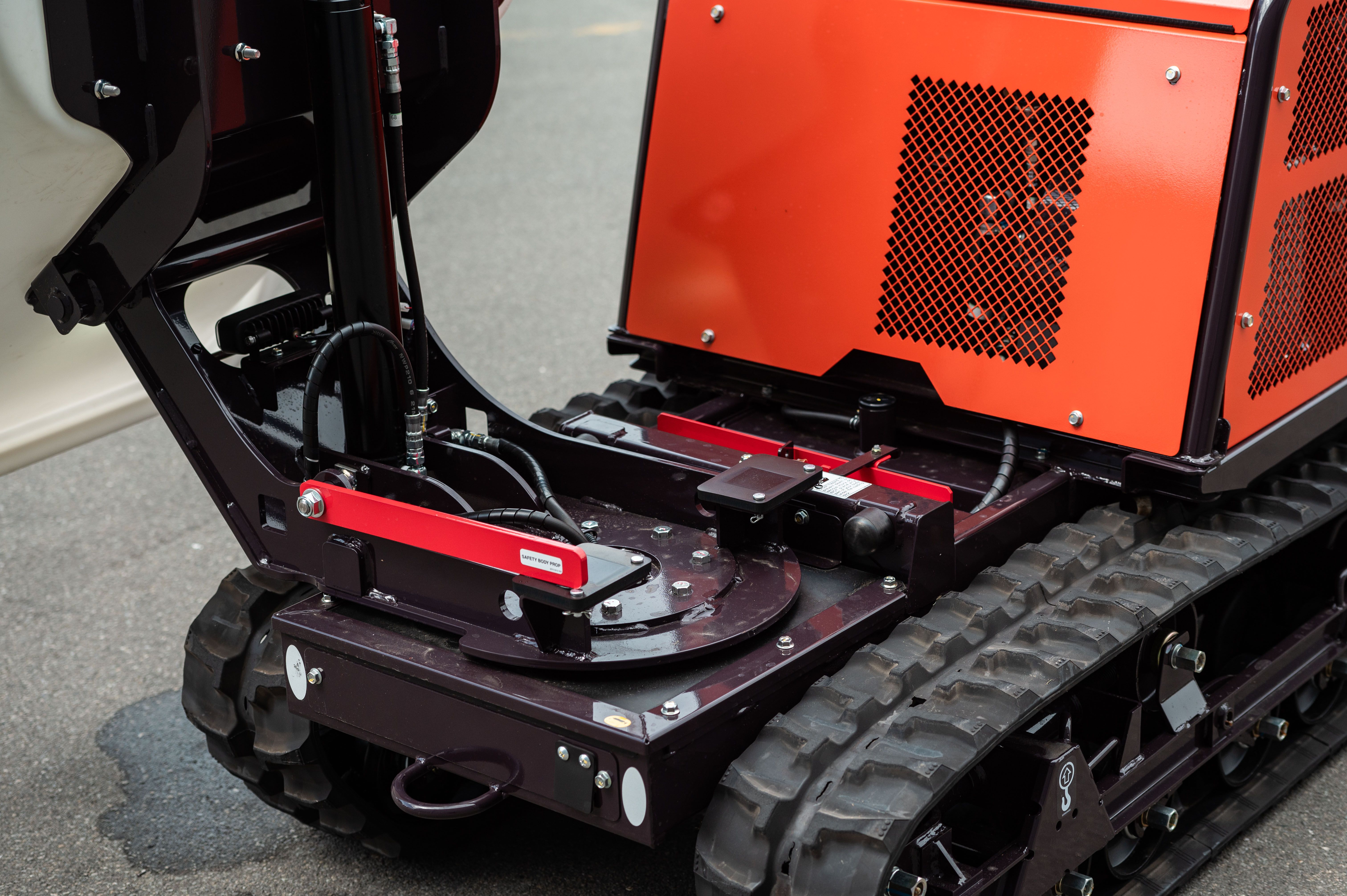

Concrete dumpers rely on hydraulics for dumping and driving. The hydraulic cylinder rods must remain spotless. Cement dust and wet slurry can dry on these exposed rods. When the cylinder retracts, the dried concrete destroys the rubber seals. Broken seals cause hydraulic fluid leaks immediately. Repairing leaks costs money and causes unwanted machine downtime. Wipe down the hydraulic rams with a clean rag. Never use a pressure washer directly on the hydraulic seals. The high water pressure can force water directly into the system. Water ruins hydraulic fluid and rusts internal pumps. Be gentle but thorough around all hydraulic hoses and fittings.
Engine Bay Cleaning Procedures
Dust is a concrete dumper's worst enemy. Cement dust gets pulled into the engine cooling system. Whether you run a Honda petrol engine or a Kubota diesel, cooling is vital. A clogged radiator causes the engine to overheat quickly. Overheating destroys engines rapidly. Blow out the radiator fins with compressed air regularly. Do not use water on a hot engine block. Wash the engine bay only when the machine is fully cool. Cover the air intake and all electrical components first. Use a gentle degreaser to remove dirt and oil. A clean engine runs cooler and burns less fuel. It also makes maintenance checks much easier for your mechanic.
Operator Controls and Station Cleaning
The operator station gets dirty very fast. Muddy boots transfer dirt onto the footplates. Concrete covered gloves transfer grit onto the control levers. You need to keep this area clean for safety reasons. Slippery footplates cause falls and injuries. Sticky control levers reduce the operator's precision. Wipe down the joysticks and control panels daily. Use a damp cloth rather than a high pressure hose. Water can damage the ignition switch and electrical gauges. Clean the footplate with a stiff brush and water. Ensure all safety decals remain visible and readable. A clean operator station promotes better machine handling and safety.
Greasing and Lubrication Protocol
Water washes away dirt and grime. It also washes away vital grease. A clean dumper is useless if the pivot points run dry. You must grease the machine after a heavy wash. Locate all the grease nipples on your specific dumper model. Check the operator manual for their exact locations. The bin pivot pins take a massive load during dumping. They need fresh grease constantly to prevent wear. The track tensioners and bottom rollers may also require lubrication. Pump fresh grease in until you see the old grease push out. Wipe away the excess grease so it does not attract new dust. Proper lubrication prevents metal wear and annoying squeaks.
Daily Inspection During Cleaning
Cleaning time is the perfect time for a thorough inspection. You are looking closely at every part of the machine anyway. Use this daily opportunity to check for damage. Look for hairline cracks in the steel bin welds. Check the rubber tracks for deep cuts or missing rubber lugs. Inspect the hydraulic hoses for chafing marks or bulges. Catching these problems early saves you from major breakdowns later. A broken hydraulic hose on site stops the whole job instantly. It also creates a massive environmental hazard. Make the post wash inspection part of your daily routine. Record any issues and order replacement parts promptly from OMC.
Storage and Overnight Care
How you store the dumper matters just as much as how you clean it. Never leave the dumper parked with wet concrete inside. Always complete the washdown before clocking off. Park the machine on level ground. Lower the bin completely to relieve pressure on the hydraulic rams. If you must park outside, cover the operator console. A waterproof cover protects the electronics from rain and morning dew. Store the machine in a secure, dry shed if possible. Good storage protects the paintwork from harsh ultraviolet rays. It also deters theft and vandalism on the work site.
Staff Training and Accountability
Your equipment is only as good as the operators using it. You must train your staff on proper cleaning protocols. Do not assume new hires know how to maintain a concrete dumper. Show them exactly how to apply the release agent. Teach them the mandatory immediate washdown rule. Demonstrate how to clean the rubber tracks without damaging the delicate seals. Explain the real costs of poor machinery maintenance. When operators understand the value of the machinery, they treat it better. Create a printed daily maintenance programme for the crew. Accountability ensures the dumpers get cleaned properly every single arvo without fail.
The Return on Investment for Clean Machinery
Some contractors view cleaning as a frustrating waste of time. They just want to finish the job and go home. This lazy mindset costs serious money in the long run. A neglected concrete dumper loses its resale value very quickly. Buyers do not want machines covered in hardened grey concrete. They assume the internal mechanicals are also neglected. A clean machine commands a much higher price when you finally upgrade your fleet. Furthermore, clean machines simply break down less often. Uptime translates directly into profit. Downtime results in a direct financial loss. Spending fifteen minutes cleaning saves thousands of dollars in premature wear and heavy depreciation.
Trust OMC Power Equipment for Your Fleet
At OMC Power Equipment, we firmly stand behind the machines we sell. We supply top tier brands like Cormidi, Canycom, NC, and Yamaguchi to the New Zealand market. We know these tracked machines inside and out. Our workshop handles servicing and complex repairs daily. We see the clear difference between well maintained dumpers and badly neglected ones. We are New Zealand's most established importer and distributor of tracked power barrows. We have a huge range of options in both petrol and diesel. If you need advice on cleaning products or strict maintenance schedules, contact us. We stock replacement tracks, filters, and spare parts to keep your fleet running smoothly.
Visit our website at http://omcpowerequipment.co.nz/ or our physical showrooms in Christchurch and Auckland. We are ready to help your civil construction or landscaping business succeed with the right equipment. Our team provides expert advice for all your machinery needs.